
Innov Clin Neurosci. 2026;23(7–9):7–18.
Mahdiyeh Hedayati-Moghadam, PhD; Fatemeh Seyedi, PhD; Habibeh Mashayekhi-Sardoo, PhD; Faezeh Mirzaee, MD; Mohammad Dalfardi, MSc; and Yousef Baghcheghi, PhD
Dr. Hedayati-Moghadam is with the Department of Physiology, School of Medicine and the Student Research Committee, Jiroft University of Medical Sciences, Jiroft, Iran. Dr. Hedayati-Moghadam, Mashayekhi-Sardoo, and Dr. Mirzaee are with the Student Research Committee, Jiroft University of Medical Sciences, Jiroft, Iran. Dr. Seyedi is with the Department of Anatomical Sciences, School of Medicine, Jiroft University of Medical Sciences, Jiroft, Iran. Dr. Mashayekhi-Sardoo and Dr. Baghcheghi are additionally with the Bio Environmental Health Hazards Research Center, Jiroft University of Medical Sciences, Jiroft, Iran. Mr. Dalfardi is with the Department of Immunology, Faculty of Medical Sciences, Tarbiat Modares University, Tehran, Iran.
Abstract: Objective: The cognitive-enhancing effects of green tea have garnered significant attention in the field of neuroscience. This narrative review aims to provide a comprehensive overview of the neurobiological mechanisms underlying the memory-enhancing properties of green tea. Studies have reported the beneficial effects of green tea on memory function, highlighting its potential as a natural cognitive enhancer. Methods: Through a systematic exploration of the current literature, this review elucidates the intricate interplay between green tea components and various neurobiological processes involved in memory formation and retention. Results: The review discusses the modulation of key neurotransmitter systems by green tea polyphenols and their impact on synaptic plasticity and neuronal communication. Furthermore, the review delves into the antioxidant and anti-inflammatory properties of green tea components, which contribute to neuroprotection and mitigate neuronal damage associated with memory impairment. Additionally, the review examines the role of green tea in regulating neurotrophic factors crucial for neurogenesis and synaptic plasticity. Insights into the influence of green tea on neuroinflammation, oxidative stress, and neurotrophic factors provide a comprehensive understanding of how green tea exerts its memory-enhancing effects at the molecular and cellular levels. Conclusion: This review consolidates existing knowledge on the neurobiological mechanisms of green tea-improved memory impairment and underscores the potential of green tea as a promising natural intervention for enhancing cognitive function and ameliorating memory deficits. Future research directions and clinical implications of green tea in the context of cognitive health are also discussed, emphasizing the importance of continued exploration of green tea’s therapeutic potential for memory enhancement. Keywords: Green tea, memory improvement, molecular mechanisms
Neuroprotective effects of green tea
Green tea is a popular beverage that has been consumed for centuries, hailing from the Camellia sinensis plant. It is renowned for its numerous health benefits, making it a staple in many cultures around the world.1 Key components in green tea are catechins, a type of antioxidant that helps fight oxidative stress in the body.2 These antioxidants decrease the risk of chronic diseases such as heart disease, diabetes, and cancer.3,4 Green tea is also known to boost metabolism and aid in weight loss. The catechins in green tea increase fat burning and improve physical performance.5 Additionally, green tea, like peroxisome proliferator-activated receptor-γ (PPAR-γ) agonists, has been found to improve brain function and reduce the risk of neurodegenerative diseases such as Alzheimer’s disease (AD) and Parkinson’s disease (PD).6,7 Caffeine and the amino acid L-theanine in green tea work together to improve mood and cognitive function.8 Green tea has anti-inflammatory properties that can help reduce inflammation in the body and lower the risk of chronic diseases.9 It contains compounds that may help protect against skin aging and promote overall skin health.10 Neuroprotection refers to the preservation of neuronal structure and function and the prevention of damage to the nervous system.11 Green tea’s neuroprotective properties have been studied extensively in recent years, with promising results.12 The key compounds responsible for this effect are catechins, notably epigallocatechin gallate (EGCG), which have been shown to have anti-inflammatory, antioxidant, and anti-apoptotic effects on the brain.13,14 Research has also suggested that green tea may help to reduce oxidative stress and inflammation in the brain, which are key factors in the development of neurodegenerative diseases.15 Additionally, green tea has been found to promote the growth of new brain cells and improve overall brain function.16 Studies have also shown that green tea catechins can help to protect neurons from damage caused by toxins and reduce the buildup of amyloid-β (Aβ) plaques, which are characteristic of AD.17,18
Several studies have investigated the potential impact of green tea on memory improvement, shedding light on its cognitive-enhancing properties and neuroprotective effects.19 For example, it has been demonstrated that the consumption of green tea extract was associated with improvements in spatial working memory in humans.20 A meta-analysis review study has revealed that green tea catechins are linked to enhanced cognitive function, including improvements in memory, attention, and processing speed. This study synthesized data from multiple studies and highlighted the potential of green tea compounds to support cognitive performance and mitigate age-related cognitive decline.21 Another study revealed that green tea extract can enhance connectivity between different regions of the brain, potentially leading to improved memory function.22 Overall, the accumulating evidence from these studies indicates that green tea has promising potential as a natural cognitive enhancer, with the ability to positively impact memory function and other aspects of cognitive performance. Therefore, understanding the precise mechanisms by which green tea enhances memory could pave the way for developing novel cognitive-enhancing therapies.
Animal studies. In animal studies, green tea has been shown to have a positive impact on memory and cognitive function.23,24 Studies on animals have demonstrated that green tea extract can enhance memory and learning abilities, as well as protect against age-related memory decline.25 In particular, research has shown that green tea can increase the levels of neurotransmitters in the brain, such as dopamine and serotonin, which play a key role in memory and cognition.6 Furthermore, green tea stimulates the growth of new neurons in the hippocampus, the region of the brain responsible for memory formation. This process, known as neurogenesis, can help improve memory retention and cognitive flexibility.16
Animal studies have also suggested that green tea might enhance memory formation and retention. For example, a study found that rats given green tea extract performed better on memory tasks compared to a control group.26 Another study showed that rats given green tea extract demonstrated improved spatial memory and learning abilities.25 One study conducted by Ahn et al27 found that green tea extract enhanced spatial learning and memory in rats. Kaur et al28 demonstrated that green tea polyphenols improved memory and cognitive function in rats. The rats that were treated with green tea polyphenols showed enhanced memory in a passive avoidance task compared to the control group. Furthermore, a study by Rezai-Zadeh et al29 investigated the effects of green tea extract on memory and AD pathology in mice. The results showed that green tea extract reduced levels of Aβ and improved cognitive function in the mice.
Clinical studies. Recent clinical studies investigating the effects of green tea on memory improvement have yielded promising results. These studies have utilized various methodologies, including cognitive assessments, neuroimaging techniques, and biochemical analyses, to evaluate the impact of green tea consumption on memory performance. The findings suggest that regular consumption of green tea might have potential benefits for memory enhancement and cognitive health.30,31 For instance, it has been demonstrated that the consumption of green tea extract was associated with improved working memory performance and increased connectivity between brain regions related to working memory. The participants who consumed green tea extract also showed increased activity in the dorsolateral prefrontal cortex, a region of the brain associated with working memory.22 Furthermore, another study investigated the effects of polyphenols on memory and attention in healthy adults. The researchers found that participants who consumed combined polyphenolic-rich herbal extract performed better on tasks measuring memory and attention compared to a placebo group. The improvements in cognitive function were attributed to the presence of catechins.32 Moreover, in another study, it was shown that older adults who regularly drank green tea had a lower risk of cognitive decline compared to non-tea drinkers. The researchers suggested that the beneficial effects of green tea on cognitive function may be due to its ability to reduce inflammation and oxidative stress in the brain.33
Neuroprotective mechanisms of green tea
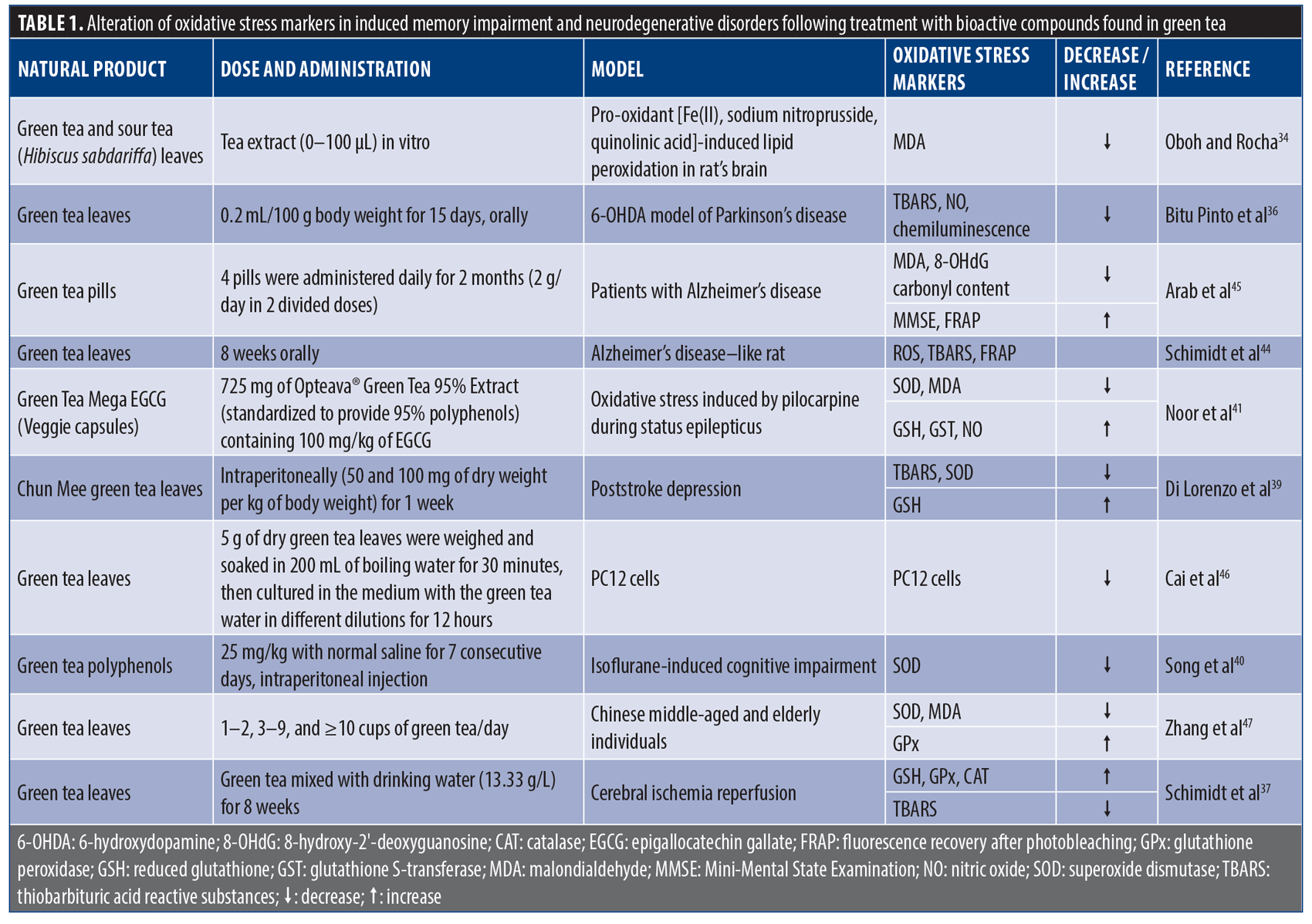
Green tea inhibits oxidative stress. Green tea is a popular beverage that has long been lauded for its numerous health benefits, including its antioxidant properties. One particular area of interest is the impact of green tea on oxidative stress in the brain tissues.34 Oxidative stress is a condition in which there is an imbalance between antioxidants and free radicals in the body, leading to damage to cells and tissues.35 Several studies have suggested that the polyphenols found in green tea, particularly catechins such as EGCG, may help combat oxidative stress in the brain.36 These compounds are known to have powerful antioxidant properties, which can help protect brain cells from damage caused by free radicals. Additionally, green tea has been shown to potentially enhance the activity of antioxidant enzymes in the brain, further reducing oxidative stress.37–39 Green tea polyphenols can also directly scavenge free radicals and inhibit lipid peroxidation, which is another mechanism of oxidative stress. By neutralizing reactive oxygen species (ROS) and preventing the damage they cause, green tea can help protect brain tissues from oxidative stress–related damage.40 One way in which green tea impacts oxidative stress in brain tissues is through the upregulation of antioxidant enzymes, such as superoxide dismutase (SOD), catalase, and glutathione peroxidase. These enzymes help neutralize ROS and protect cells from oxidative damage.41 Furthermore, green tea polyphenols have been shown to modulate various signaling pathways involved in oxidative stress, inflammation, and cell death in the brain.42 For example, catechins activate the nuclear factor erythroid 2-related factor 2 (Nrf2) pathways, which regulate the expression of antioxidant and detoxifying genes. By activating this pathway, green tea can enhance the brain’s antioxidant defenses and reduce oxidative stress.43 Research has also indicated that green tea may have neuroprotective effects, potentially helping to prevent or slow the progression of neurodegenerative diseases such as AD and PD. By reducing oxidative stress in the brain tissues, green tea may help preserve cognitive function and overall brain health.42 One study published in Food Research International found that green tea catechins, specifically EGCG, can reduce oxidative stress in the brain by scavenging free radicals and enhancing antioxidant enzyme activity. Additionally, green tea extract was found to decrease levels of oxidative stress markers in the brain, indicating a potential mechanism by which green tea improves cognitive function.44 Table 1 shows the alteration of oxidative stress markers in induced memory impairment and neurodegenerative disorders following treatment with bioactive compounds found in green tea.34,36,37,39–41,44–47
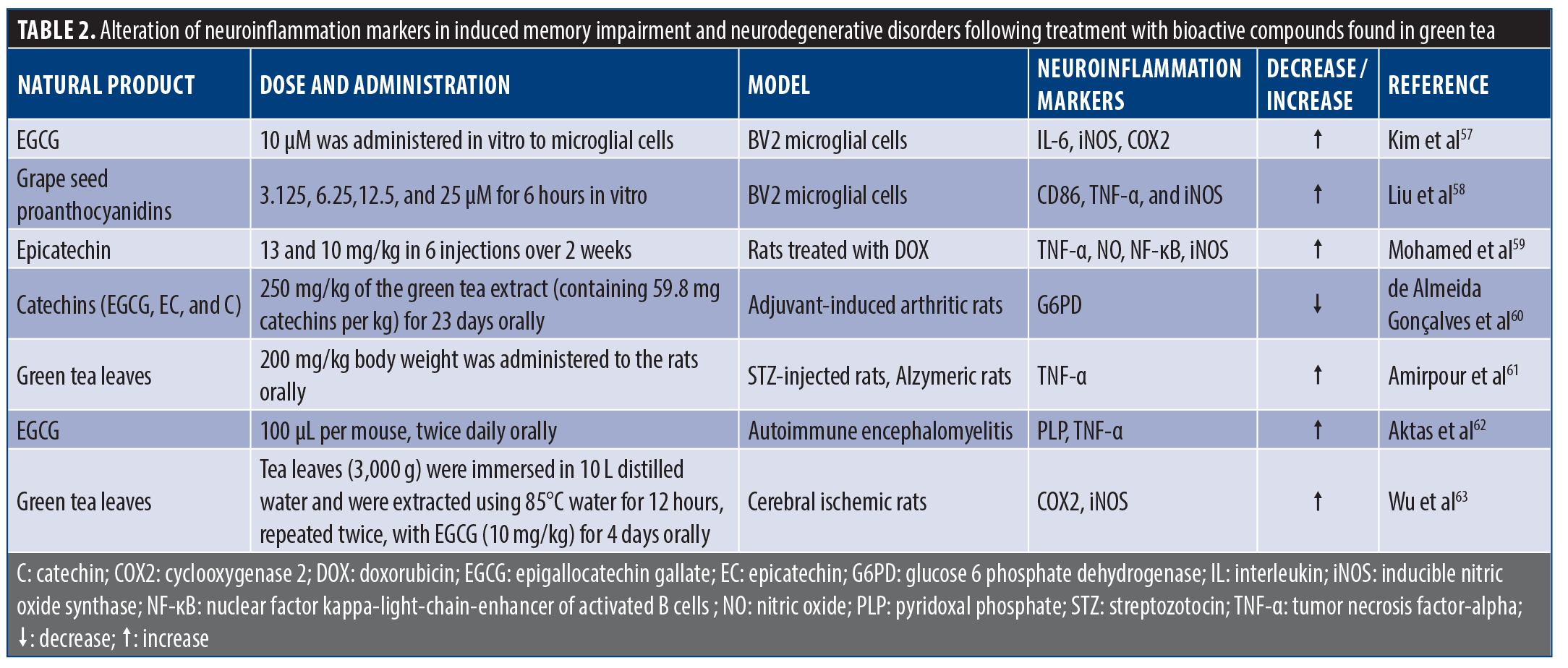
Green tea inhibits neuroinflammation. Neuroinflammation is a process in which the immune system responds to injury or disease in the brain, leading to the release of inflammatory molecules that can damage nerve cells.48 Indeed, neuroinflammation, characterized by the activation of immune cells in the central nervous system, plays a crucial role in the pathogenesis of various neurological disorders, including AD, PD, long-term alcohol abuse, and multiple sclerosis,48,49,50 or by induction. Green tea’s bioactive compounds, particularly catechins, polyphenols, and EGCG, have been shown to possess potent anti-inflammatory properties.51 These compounds have been shown to modulate signaling pathways involved in inflammation, leading to a reduction in the production of pro-inflammatory mediators and an increase in anti-inflammatory molecules.52 Furthermore, green tea can help protect brain tissues from oxidative stress, a key factor contributing to neuroinflammation and neurodegeneration. By scavenging free radicals and reducing oxidative damage, green tea may help prevent or mitigate the inflammatory response in the brain.42 Additionally, EGCG has been shown to inhibit the activation of microglia, which are immune cells in the brain that play a key role in the inflammatory response. By reducing the activation of microglia, green tea can help lower levels of pro-inflammatory molecules in the brain, such as cytokines and chemokines.53 Additionally, green tea polyphenols can modulate various signaling pathways involved in neuroinflammation. EGCG has been shown to inhibit the nuclear factor kappa-light-chain-enhancer of activated B cells (NF-κB) pathway, which is a key regulator of inflammation in the brain. By blocking NF-κB activation, green tea can reduce the production of inflammatory molecules and limit the extent of neuroinflammation.54 Several studies have investigated the potential benefits of green tea in reducing neuroinflammation markers in the brain and improving memory. One study conducted by Wang et al55 found that green tea extract was able to reduce levels of inflammatory markers such as interleukin-1β (IL-1β) and tumor necrosis factor-α (TNF-α) in the brains of rats with induced neuroinflammation. Another study by Unno et al56 explored the effects of green tea catechins on memory improvement in mice. The researchers found that mice treated with green tea catechins showed improved memory retention and spatial learning compared to a control group. Additionally, a study by Rezai-Zadeh et al29 investigated the role of green tea polyphenols in modulating neuroinflammation and Aβ accumulation in a rat model of AD. The researchers found that green tea polyphenols were able to reduce markers of neuroinflammation and Aβ levels, suggesting a potential protective effect against AD. Table 2 shows the alteration of neuroinflammation markers in induced memory impairment and neurodegenerative disorders following treatment with bioactive compounds found in green tea.57–63
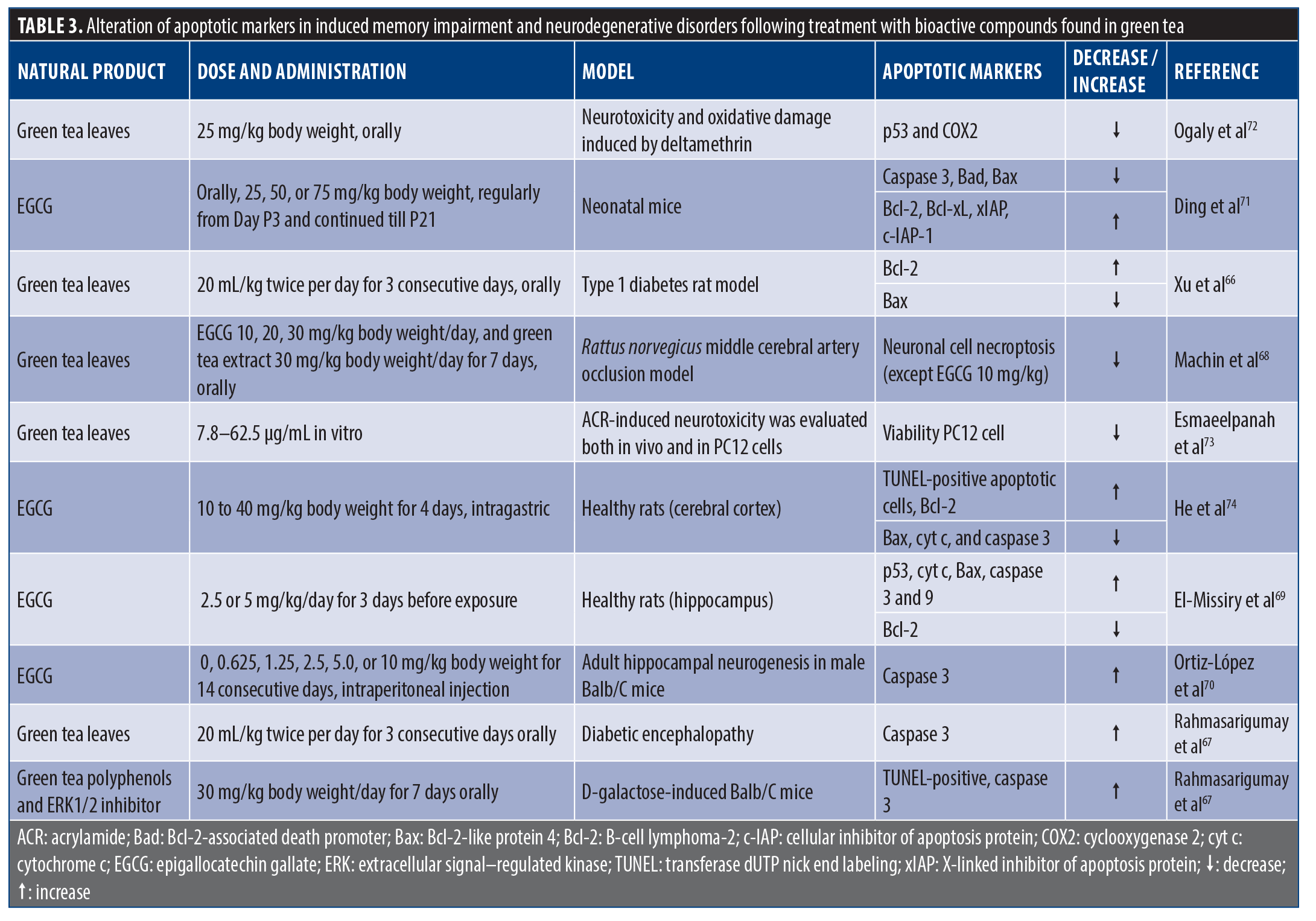
Green tea inhibits apoptosis. Green tea has been recognized for its numerous health benefits, including its protective effect against environmental neurotoxins that induce apoptosis in brain tissues.64 Apoptosis, also known as programmed cell death, is a crucial process in maintaining the balance between cell proliferation and cell death in the body. Dysregulation of apoptosis has been implicated in various neurodegenerative diseases, including AD and PD.65 Several studies have investigated the protective effects of green tea on apoptosis in brain tissues, and the results have been promising.66 However, green tea has been shown to exert protective effects against apoptosis in brain tissues through the modulation of various molecular pathways. Dysregulation of apoptosis can contribute to neurodegenerative disorders and other neurological conditions.67 Studies have demonstrated that the polyphenolic compounds in green tea, particularly EGCG, can influence apoptosis in brain tissues by targeting key molecular pathways. EGCG has been found to inhibit apoptotic signaling pathways such as the mitochondrial pathway, which involves the release of cytochrome c (cyt c) and activation of caspases leading to cell death.68 Furthermore, green tea polyphenols have been shown to regulate the expression of anti-apoptotic proteins, such as B-cell lymphoma-2 (Bcl-2) and Bcl-extra large (Bcl-xL), which promote cell survival by preventing mitochondrial membrane permeabilization and cyt c release. Additionally, green tea components can modulate pro-apoptotic proteins like Bcl-2-like protein 4 and Bcl-2-associated death promoter, thereby shifting the balance towards cell survival.67 Moreover, EGCG possesses antioxidant properties that help reduce oxidative stress in brain tissues, which is a common inducer of apoptosis. By scavenging ROS and inhibiting lipid peroxidation, green tea polyphenols can protect neurons from oxidative damage and subsequent apoptotic cell death.69,70 One study conducted by Ding et al71 found that green tea polyphenols can induce apoptosis in glioma cells, a type of brain tumor. The researchers observed that green tea polyphenols downregulated the expression of anti-apoptotic proteins and upregulated pro-apoptotic proteins, leading to cell death in the glioma cells. Another study by Rahmasarigumay et al67 demonstrated that EGCG activates the phosphoinositide 3-kinase (PI3K)/Akt signaling pathway, which promotes cell survival and inhibits apoptosis in brain cells. The researchers found that EGCG treatment protected neurons from glutamate-induced apoptosis by activating the PI3K/Akt pathway and inhibiting the expression of pro-apoptotic proteins. One study conducted by Xu et al66 explored the effects of green tea extract on apoptosis in the hippocampus of rats. The results showed that green tea extract effectively induced apoptosis in hippocampal cells, potentially through the activation of caspase enzymes and the modulation of Bcl-2 family proteins. These findings suggest that green tea might have neuroprotective effects by promoting the death of damaged or abnormal cells in the brain. Table 3 shows the alteration of apoptotic markers in induced memory impairment and neurodegenerative disorders following treatment with bioactive compounds found in green tea.66–74
Green tea improves neurotrophic factors. Studies have suggested that the consumption of green tea or its extracts may enhance the levels of neurotrophic factors such as brain-derived neurotrophic factor (BDNF) and nerve growth factor (NGF) in the brain tissues. These factors are involved in neuroplasticity, the brain’s ability to adapt and change in response to environmental and developmental factors. By increasing the levels of these neurotrophic factors, green tea may promote neuronal growth, repair, and regeneration, ultimately improving cognitive function and protecting against neurodegenerative diseases.75–78 One of the primary mechanisms through which green tea influences neurotrophic factors is by activating specific signaling pathways in neurons. EGCG has been found to activate the PI3K/Akt pathway, which is a known regulator of BDNF expression. By stimulating this pathway, green tea components can increase the production and release of BDNF in the brain.79 Additionally, EGCG has been shown to modulate the mitogen-activated protein kinase (MAPK) pathway, another signaling cascade involved in the regulation of neurotrophic factors.80,81 Activation of MAPK pathways can lead to the upregulation of NGF expression, which plays a critical role in the maintenance and function of neurons. By enhancing NGF levels through MAPK activation, green tea compounds promote neuroprotection and support cognitive function.80,82
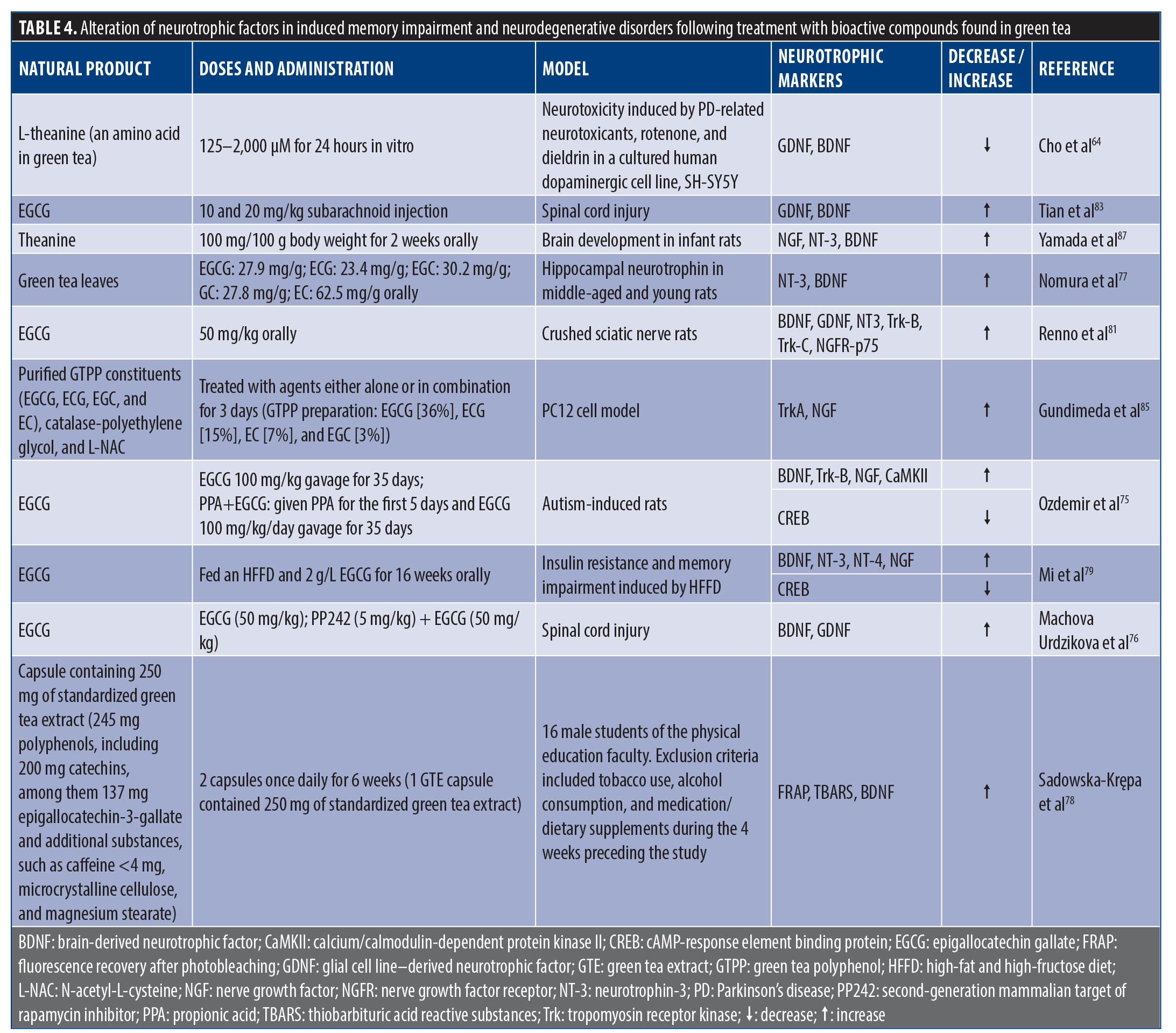
Moreover, green tea polyphenols have antioxidant and anti-inflammatory properties that can protect neurons from oxidative stress and inflammation, factors that can impair neurotrophic factor signaling. By reducing oxidative damage and inflammation in the brain, green tea components create a favorable environment for neurotrophic factor production and action, ultimately supporting brain health and cognitive function.83 A study conducted by Abdelmeguid et al84 found that green tea catechins, particularly EGCG, promoted the expression of BDNF in the hippocampus, a critical region for memory formation. Similarly, another study by Gundimeda et al85 demonstrated that green tea polyphenols, including EGCG, modulated the expression of NGF in the brain. The study revealed that green tea polyphenols exerted neuroprotective effects by enhancing NGF levels, which could potentially contribute to memory enhancement and overall brain health. Furthermore, a meta-analysis conducted by Ikar et al86 pooled data from multiple studies investigating the relationship between green tea consumption and cognitive function. The analysis indicated a significant association between green tea intake and improvements in memory and cognitive performance. While the exact mechanisms underlying these benefits are multifaceted, the upregulation of neurotrophic factors in brain tissue, such as BDNF and NGF, likely contributes to the observed cognitive enhancements associated with green tea consumption. Table 4 shows the alteration of neurotrophic factors in induced memory impairment and neurodegenerative disorders following treatment with bioactive compounds found in green tea.64,75–79,81,83,85,87
Green tea modulates neurotransmitters. Neurotransmitters are essential chemicals that facilitate communication between nerve cells and play a crucial role in regulating various brain functions such as mood, behavior, cognition, and memory.88 Moreover, polyphenols, particularly catechins, have been shown to have neuroprotective effects by influencing neurotransmitter levels in the brain.82,89 Studies also have suggested that green tea catechins can enhance the activity of gamma-aminobutyric acid (GABA), a neurotransmitter that helps to reduce anxiety and promote relaxation.90 Furthermore, green tea has been found to modulate the levels of serotonin and dopamine, neurotransmitters responsible for regulating mood, motivation, and reward.91,92 By promoting the release of these “feel-good” chemicals, green tea may help improve mood and overall mental wellbeing. In addition to its effects on neurotransmitters, green tea also contains caffeine, which enhances alertness, concentration, and cognitive function. The combination of caffeine and catechins in green tea may work synergistically to support brain health and cognitive function.93
Additionally, green tea polyphenols have been reported to impact the monoaminergic neurotransmitter systems, including dopamine, serotonin, and norepinephrine, which are crucial for mood regulation, stress response, and cognitive function.89 Additionally, EGCG can influence neurotransmitter release by interacting with presynaptic receptors and vesicular transporters.94 Moreover, researchers have investigated the influence of green tea polyphenols on the expression of dopamine receptors in the prefrontal cortex, a brain region critical for cognitive function and memory processing.89,95
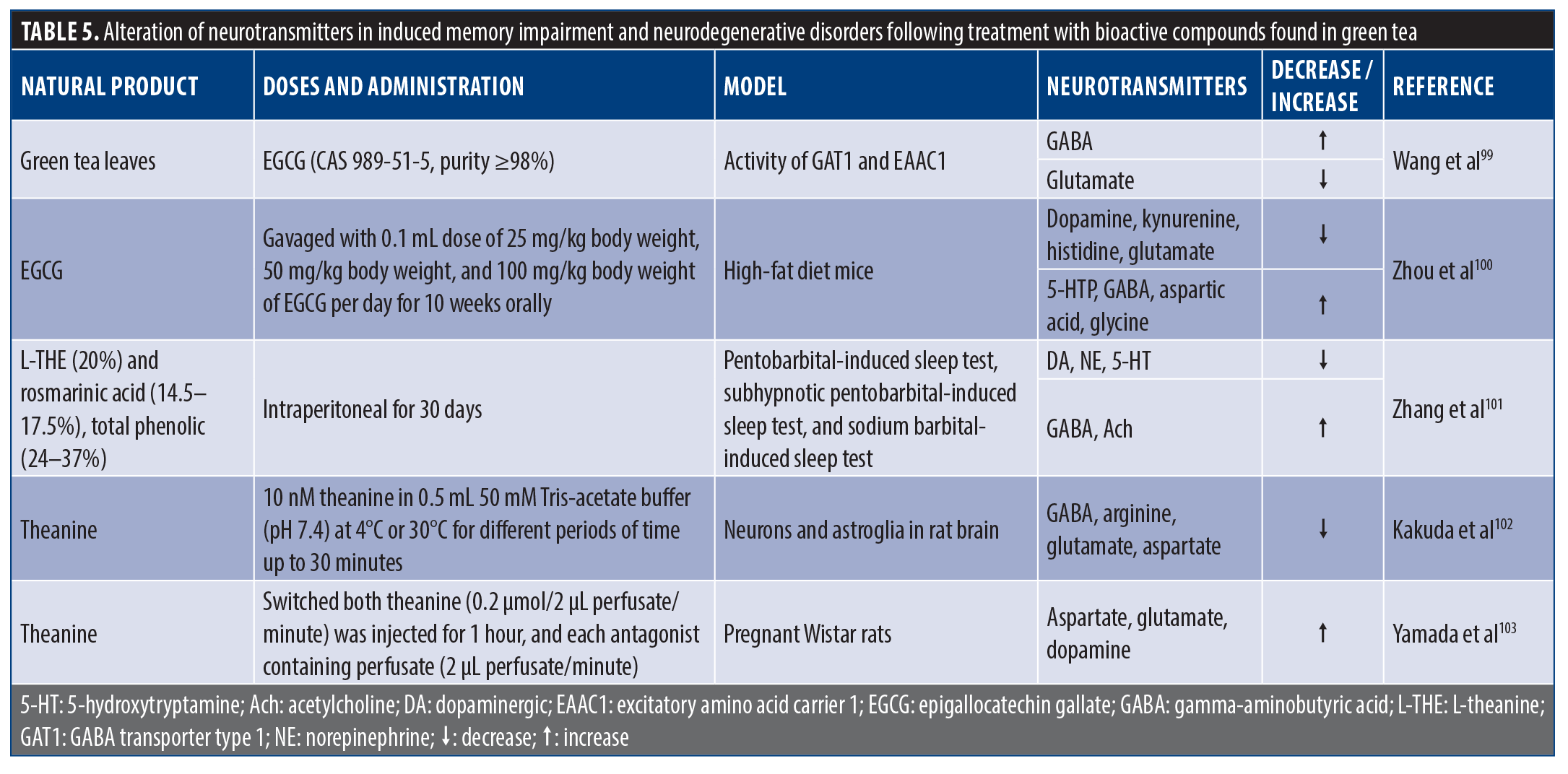
Another molecular pathway through which green tea impacts neurotransmitters is by regulating neuroplasticity and synaptic strength. EGCG has been found to activate signaling pathways involved in synaptic plasticity, such as the cAMP-response element-binding protein (CREB) pathway, which promotes the formation of new synaptic connections and enhances memory consolidation.96 Furthermore, EGCG exhibits antioxidant and anti-inflammatory properties that can protect neurons from oxidative stress and neuroinflammation, which are detrimental to neurotransmitter function.44 Several studies have investigated the impact of green tea on neurotransmitter markers in the brain tissues. One study conducted by Imam-Fulani et al97 explored the effects of green tea catechins, particularly EGCG, on neurotransmitter levels in the hippocampus. The researchers found that EGCG administration led to increased levels of GABA, suggesting a potential calming effect of green tea on the brain. Moreover, another study by Weeks et al98 delved into the effects of green tea extract on serotonin levels in the amygdala, a brain region involved in emotional regulation and memory consolidation. This modulation of serotonin levels may contribute to improved memory consolidation and emotional wellbeing. Table 5 shows the alteration of neurotransmitters in induced memory impairment and neurodegenerative disorders following treatment with bioactive compounds found in green tea.99–103
Green tea enhances long-term potentiation. One area of interest in recent years has been the potential effects of green tea on long-term potentiation (LTP) in brain tissues.104 LTP is a key mechanism underlying learning and memory formation in the brain, and its dysregulation has been implicated in various neurological disorders such as AD and epilepsy.105 Evidence suggests that green tea and its constituents may influence LTP in brain tissues, potentially enhancing synaptic transmission and strengthening neuronal connections.106 Several studies have suggested that the bioactive compounds in green tea, particularly catechins such as EGCG, may enhance LTP and improve cognitive function. These compounds have been shown to modulate various signaling pathways involved in synaptic plasticity, including the activation of N-methyl-D-aspartate (NMDA) receptors and the promotion of neurotrophic factors such as BDNF.95,107 Furthermore, green tea has been found to exert neuroprotective effects by reducing oxidative stress, inflammation, and neuronal apoptosis, all of which can improve LTP and cognitive function.9,108,109 The caffeine content in green tea may also contribute to its cognitive-enhancing effects by stimulating neurotransmitter release and improving alertness and concentration.86 However, it has been suggested that green tea components possess neuroprotective properties, shielding neurons from damage and promoting their survival.110 By maintaining neuronal health, green tea supports the structural integrity required for LTP and optimal synaptic transmission.111 Another critical pathway that has demonstrated by researchers is influences various signaling pathways involved in LTP regulation, such as MAPK/ERK, PI3K/Akt, and CREB pathways by green tea or its components (eg, EGCG). By modulating these pathways, green tea promotes the expression of genes associated with synaptic plasticity and memory formation. In this regard, it has been reported that green tea extracts enhanced LTP in the hippocampus, with researchers attributing this effect to the presence of catechins.112 Furthermore, one meta analysis113 concluded that green tea consumption was associated with improved cognitive function and reduced risk of cognitive decline. The authors suggested that the neuroprotective effects of green tea might be due to its antioxidant and anti-inflammatory properties.
Limitations and Potential Adverse Effects of Green Tea Consumption
The preceding sections have comprehensively detailed the neuroprotective mechanisms of green tea catechins, including inhibition of oxidative stress, attenuation of neuroinflammation, suppression of apoptosis, upregulation of neurotrophic factors, modulation of neurotransmitters, and enhancement of LTP. However, translating these promising preclinical findings into effective clinical interventions faces significant challenges that warrant critical examination.
A primary obstacle is the poor bioavailability of green tea catechins, particularly EGCG. Following oral administration, EGCG exhibits low intestinal absorption, extensive hepatic metabolism, rapid systemic elimination, and limited ability to cross the blood-brain barrier (BBB). Unmodified phytochemicals show negligible BBB delivery, requiring high, potentially toxic doses to achieve neuroprotective effects.114 Nanoliposome encapsulation has been demonstrated to enhance BBB uptake by 10- to 20-fold while reducing cytotoxicity by more than 50%, offering promising solutions to overcome this limitation.115
The available clinical evidence remains limited. While epidemiological studies suggest green tea consumption is associated with reduced risk of cognitive decline, few large-scale, placebo-controlled trials using standardized formulations have confirmed these benefits. A 12-month randomized study found that green tea consumption may not significantly affect Mini-Mental State Examination scores, although it prevented increases in oxidative stress in elderly populations.116 The PENSA study—a randomized trial investigating EGCG combined with multimodal lifestyle intervention in apolipoprotein E ε4 carriers—did not meet its primary cognitive outcome, though exploratory analyses suggested potential benefits warranting further investigation.117 This underscores the gap between preclinical promise and clinical reality.
Significant challenges arise from inter-individual response variability and lack of standardization. Genetic polymorphisms in metabolizing enzymes, differences in gut microbiota, and variations in absorption rates contribute to heterogeneous responses.118 Commercial products vary widely in catechin content, EGCG concentration, and caffeine levels, complicating interpretation of study results and hindering evidence-based dosing recommendations.
Safety concerns, particularly hepatotoxicity associated with concentrated green tea extracts, represent another critical limitation. Case reports have documented drug-induced liver injury and acute liver failure linked to green tea extract supplementation.119 The hepatotoxic potential appears primarily associated with concentrated extracts rather than beverage consumption. Other adverse effects include gastrointestinal disturbances, headaches, and insomnia, particularly related to caffeine content.
Despite these limitations, the therapeutic potential of green tea catechins remains substantial due to their multitargeted neuroprotective actions. EGCG effectively reduces tau and Aβ aggregation, promotes autophagy, and targets key signaling pathways including Nrf2-ARE, NF-κB, and MAPK, regulating mitochondrial dysfunction, oxidative stress, neuroinflammation, and protein misfolding—all central to AD and PD pathogenesis.120
Recent advancements in formulation and delivery techniques offer promising solutions. Structural analogs, liposomal encapsulation, and nanoformulations have shown potential in improving pharmacokinetics and enhancing brain delivery.115 EGCG nanoparticles have demonstrated better BBB penetration, higher bioavailability, and enhanced improvement of memory deficits over free EGCG in experimental models.
Combination approaches represent another promising direction. The PENSA study demonstrated that combining EGCG with multimodal lifestyle intervention may reduce dementia risk through mechanisms beyond amyloid and tau pathways, with sustained cognitive benefits even after washout.117 Green tea is a cost-effective, culturally adaptable intervention with potential to complement existing dementia therapies.
Personalized medicine approaches may further optimize therapeutic outcomes. Subject genotyping for enzymes involved in catechin metabolism could aid in interpreting liver injury biomarkers and optimizing treatment.118 Biomarker-guided monitoring and customized therapy are emphasized as essential for fully realizing EGCG’s neuroprotective potential.
Epidemiological evidence consistently shows that green tea consumption is associated with lower prevalence of cognitive decline and decreased risk of AD and PD. Meta-analyses have found that tea intake can help reduce the risk of all-cause dementia, AD and vascular dementia.121 These observations provide a strong rationale for continued investigation.
While significant challenges including poor bioavailability, limited clinical evidence, and safety concerns must be addressed, recent advancements in formulation technologies, combination approaches, and personalized strategies offer promising pathways for translation. Future research should prioritize large-scale controlled trials using standardized formulations, with careful attention to dosing, safety monitoring, and biomarker-guided patient selection. Despite current limitations, green tea remains a promising natural intervention for cognitive health, warranting continued investigation and careful clinical translation.122
Conclusion
This narrative review provides a comprehensive overview of the intricate neurobiological mechanisms underlying the memory-enhancing properties of green tea. With a focus on the modulation of neurotransmitter systems, antioxidant effects, regulation of neuroinflammation, and influence on neurotrophic factors, green tea emerges as a promising natural intervention for improving memory impairment. The findings of this review highlight the multifaceted ways in which green tea components, particularly catechins such as EGCG, interact with various molecular and cellular processes to enhance memory function. The neuroprotective and cognitive-enhancing effects of green tea offer great potential for addressing cognitive decline and memory deficits. By elucidating the underlying mechanisms through which green tea exerts its beneficial effects on memory, this review contributes to a deeper understanding of the therapeutic value of green tea in promoting cognitive health. Moving forward, further research is warranted to explore the specific pathways and interactions through which green tea components modulate cognitive function. Clinical studies investigating the efficacy of green tea supplementation in individuals with memory impairment could provide valuable insights into its practical applications for cognitive enhancement.
Acknowledgments
The authors thank the Student Research Committee of Jiroft University of Medical Sciences.
Author Contributions
All authors contributed to the study’s conception and design. Material preparation, data collection, and analysis were performed by MH-M, YB, and FS. The first draft of the manuscript was written by FM and MD. HM, YB, and MH-M contributed to the editing and conceptualization. All authors commented on previous versions of the manuscript. All authors read and approved the final manuscript.
References
- Battle W. The World Tea Encyclopaedia: The World of Tea Explored and Explained from Bush to Brew. Troubador Publishing Ltd; 2017.
- Vasegh A, Razavi BM, Imenshahidi M. Comparing the analgesic and anti-ulcer properties of green tea aqueous extract with licofelone. Physiol Pharmacol. 2024;28(3):338–350.
- Oz HS. Chronic inflammatory diseases and green tea polyphenols. Nutrients. 2017;9(6):561.
- Cheng WH. Green tea: an ancient antioxidant drink for optimal health? J Nutr. 2019;149(11):1877–1879.
- Bagheri R, Rashidlamir A, Ashtary‐Larky D, et al. Does green tea extract enhance the anti‐inflammatory effects of exercise on fat loss? Br J Clin Pharmacol. 2020;86(4):753–762.
- Luo M, Gan RY, Li BY, et al. Effects and mechanisms of tea on Parkinson’s disease, Alzheimer’s disease and depression. Food Rev Int. 2023;39(1):1–29.
- Baghcheghi Y, Salmani H, Beheshti F, et al. Effects of PPAR-γ agonist, pioglitazone on brain tissues oxidative damage and learning and memory impairment in juvenile hypothyroid rats. Int J Neurosci. 2019;129(10):1024–1038.
- Dodd FL, Kennedy DO, Riby LM, Haskell-Ramsay CF. A double-blind, placebo-controlled study evaluating the effects of caffeine and L-theanine both alone and in combination on cerebral blood flow, cognition and mood. Psychopharmacology (Berl). 2015;232:2563–2576.
- Afzal M, Safer A, Menon M. Green tea polyphenols and their potential role in health and disease. Inflammopharmacology. 2015;23:151–161.
- Čižmárová B, Hubková B, Tomečková V, Birková A. Flavonoids as promising natural compounds in the prevention and treatment of selected skin diseases. Int J Mol Sci. 2023;24(7):6324.
- Fideles SOM, de Cássia Ortiz A, Buchaim DV, et al. Influence of the neuroprotective properties of quercetin on regeneration and functional recovery of the nervous system. Antioxidants (Basel). 2023;12(1):149.
- Bavi EP, Shakerinasab E, Hamidinezhad H, Nazifi E. A green and facile approach for fabrication of biocompatible anti-Parkinson chitosan-gelatin-green tea extract composite particles with neuroprotective and neurotherapeutic effects: in vitro evaluation. Int J Biol Macromol. 2023;224:1183–1195.
- Singh NA, Mandal AKA, Khan ZA. Potential neuroprotective properties of epigallocatechin-3-gallate (EGCG). Nutr J. 2015;15:60.
- Mokra D, Joskova M, Mokry J. Therapeutic effects of green tea polyphenol (–)-epigallocatechin-3-gallate (EGCG) in relation to molecular pathways controlling inflammation, oxidative stress, and apoptosis. Int J Mol Sci. 2022;24(1):340.
- Li Y, Peng Y, Shen Y, et al. Dietary polyphenols: Regulate the advanced glycation end products-RAGE axis and the microbiota-gut-brain axis to prevent neurodegenerative diseases. Crit Rev Food Sci Nutr. 2023;63(29):9816–9842.
- Unno K, Nakamura Y. Green tea suppresses brain aging. Molecules. 2021;26(16):4897.
- Choi YT, Jung CH, Lee SR, et al. The green tea polyphenol (−)-epigallocatechin gallate attenuates β-amyloid-induced neurotoxicity in cultured hippocampal neurons. Life Sci. 2001;70(5):603–614.
- Qin XY, Cheng Y, Yu LC. Potential protection of green tea polyphenols against intracellular amyloid beta-induced toxicity on primary cultured prefrontal cortical neurons of rats. Neurosci Lett. 2012;513(2):170–173.
- Reza-Zaldívar EE, Jacobo-Velázquez DA. Comprehensive review of nutraceuticals against cognitive decline associated with Alzheimer’s disease. ACS Omega. 2023;8(39):35499–35522.
- Liu Y, Fly AD, Wang Z, Klaunig JE. The effects of green tea extract on working memory in healthy women. J Nutr Health Aging. 2018;22(3):446–450.
- Camfield DA, Stough C, Farrimond J, Scholey AB. Acute effects of tea constituents L-theanine, caffeine, and epigallocatechin gallate on cognitive function and mood: a systematic review and meta-analysis. Nutr Rev. 2014;72(8):507–522.
- Borgwardt S, Hammann F, Scheffler K, et al. Neural effects of green tea extract on dorsolateral prefrontal cortex. Eur J Clin Nutr. 2012;66(11):1187–1192.
- Naomi R, Yazid MD, Teoh SH, et al. Dietary polyphenols as a protection against cognitive decline: evidence from animal experiments; mechanisms and limitations. Antioxidants (Basel). 2023;12(5):1054.
- Sokary S, Al-Asmakh M, Zakaria Z, Bawadi H. The therapeutic potential of matcha tea: a critical review on human and animal studies. Curr Res Food Sci. 2023;6:100396.
- Tejada S, Sarubbo F, Jiménez-García M, et al. Mitigating age-related cognitive decline and oxidative status in rats treated with catechin and polyphenon-60. Nutrients. 2024;16(3):368.
- Feng W, Lv C, Cheng L, et al. Targeting ERS-mitophagy in hippocampal neurons to explore the improvement of memory by tea polyphenols in aged type 2 diabetic rats. Free Radic Biol Med. 2024;213:293–308.
- Ahn JW, Kim S, Ko S, et al. Modified (−)-gallocatechin gallate-enriched green tea extract rescues age-related cognitive deficits by restoring hippocampal synaptic plasticity. Biochem Biophys Rep. 2022;29:101201.
- Kaur T, Pathak C, Pandhi P, Khanduja K. Effects of green tea extract on learning, memory, behavior and acetylcholinesterase activity in young and old male rats. Brain Cogn. 2008;67(1):25–30.
- Rezai-Zadeh K, Arendash GW, Hou H, et al. Green tea epigallocatechin-3-gallate (EGCG) reduces β-amyloid mediated cognitive impairment and modulates tau pathology in Alzheimer transgenic mice. Brain Res. 2008;1214:177–187.
- Park SK, Jung IC, Lee WK, et al. A combination of green tea extract and l-theanine improves memory and attention in subjects with mild cognitive impairment: a double-blind placebo-controlled study. J Med Food. 2011;14(4):334–343.
- Sakurai K, Shen C, Ezaki Y, et al. Effects of matcha green tea powder on cognitive functions of community-dwelling elderly individuals. Nutrients. 2020;12(12):3639.
- Best T, Miller J, Teo WP. Neurocognitive effects a combined polyphenolic-rich herbal extract in healthy middle-aged adults–a randomised, double-blind, placebo-controlled study. Nutr Neurosci. 2024;27(11):1293–1305.
- Yin S, Xiao J, Xiong J, et al. Associations of tea consumption with cognitive function and mental health among older adults in China. Curr Psychol. 2023;42(33):29257–29267.
- Oboh G, Rocha J. Antioxidant and neuroprotective properties of sour tea (Hibiscus sabdariffa, calyx) and green tea (Camellia sinensis) on some pro-oxidant-induced lipid peroxidation in brain in vitro. Food Biophys. 2008;3:382–389.
- Alam F, Khan R, Syed F. Introduction to oxidative stress. Fundamental Principles of Oxidative Stress in Metabolism and Reproduction. Elsevier; 2024:3–16.
- Bitu Pinto N, da Silva Alexandre B, Neves KRT, et al. Neuroprotective properties of the standardized extract from Camellia sinensis (green tea) and its main bioactive components, epicatechin and epigallocatechin gallate, in the 6‐OHDA model of Parkinson’s disease. Evid Based Complement Alternat Med. 2015;2015(1):161092.
- Schimidt HL, Vieira A, Altermann C, et al. Memory deficits and oxidative stress in cerebral ischemia–reperfusion: neuroprotective role of physical exercise and green tea supplementation. Neurobiol Learn Mem. 2014;114:242–250.
- Özduran G, Becer E, Vatansever HS. The role and mechanisms of action of catechins in neurodegenerative diseases. J Am Nutr Assoc. 2023;42(1):67–74.
- Di Lorenzo A, Nabavi SF, Sureda A, et al. Antidepressive‐like effects and antioxidant activity of green tea and GABA green tea in a mouse model of post‐stroke depression. Mol Nutr Food Res. 2016;60(3):566–579.
- Song Y, Li X, Gong X, et al. Green tea polyphenols improve isoflurane-induced cognitive impairment via modulating oxidative stress. J Nutr Biochem. 2019;73:108213.
- Noor NA, Mohammed HS, Khadrawy YA, et al. Evaluation of the neuroprotective effect of taurine and green tea extract against oxidative stress induced by pilocarpine during status epilepticus. J Basic Appl Zool. 2015;72:8–15.
- Valverde-Salazar V, Ruiz-Gabarre D, García-Escudero V. Alzheimer’s disease and green tea: epigallocatechin-3-gallate as a modulator of inflammation and oxidative stress. Antioxidants. 2023;12(7):1460.
- Winiarska-Mieczan A, Kwiecień M, Jachimowicz-Rogowska K, et al. Anti-inflammatory, antioxidant, and neuroprotective effects of polyphenols—polyphenols as an element of diet therapy in depressive disorders. Int J Mol Sci. 2023;24(3):2258.
- Schimidt HL, Garcia A, Martins A, et al. Green tea supplementation produces better neuroprotective effects than red and black tea in Alzheimer-like rat model. Food Res Int. 2017;100:442–448.
- Arab H, Mahjoub S, Hajian-Tilaki K, Moghadasi M. The effect of green tea consumption on oxidative stress markers and cognitive function in patients with Alzheimer’s disease: a prospective intervention study. Caspian J Intern Med. 2016;7(3):188–194.
- Cai Z, Hu X, Tan R, et al. Neuroprotective effect of green tea extractives against oxidative stress by enhancing the survival and proliferation of PC12 cells. Mol Cell Toxicol. 2019;15:391–397.
- Zhang R, Zhang L, Li Z, et al. Green tea improves cognitive function through reducing AD-pathology and improving anti-oxidative stress capacity in Chinese middle-aged and elderly people. Front Aging Neurosci. 2022;14:919766.
- Zhang W, Xiao D, Mao Q, Xia H. Role of neuroinflammation in neurodegeneration development. Signal Transduct Target Ther. 2023;8(1):267.
- Hedayati-Moghadam M, Razazpour F, Pourfridoni M, et al. Ethanol’s impact on the brain: a neurobiological perspective on the mechanisms of memory impairment. Mol Biol Rep. 2024;51(1):782.
- Hedayati‑Moghadam M, Razazpour F, Pourfridoni M, et al. Ethanol‑induced depression: exploring the underlying molecular mechanisms. Cell Mol Neurobiol. 2025;45(1):49.
- Payne A, Nahashon S, Taka E, et al. Epigallocatechin-3-gallate (EGCG): new therapeutic perspectives for neuroprotection, aging, and neuroinflammation for the modern age. Biomolecules. 2022;12(3):371.
- Hodges JK, Sasaki GY, Bruno RS. Anti-inflammatory activities of green tea catechins along the gut–liver axis in nonalcoholic fatty liver disease: lessons learned from preclinical and human studies. J Nutr Biochem. 2020;85:108478.
- Zeng J, Bao T, Yang K, et al. The mechanism of microglia-mediated immune inflammation in ischemic stroke and the role of natural botanical components in regulating microglia: a review. Front Immunol. 2023;13:1047550.
- He C, Wang D, Wang R, et al. Epigallocatechin gallate induces the demethylation of actinin alpha 4 to inhibit diabetic nephropathy renal fibrosis via the NF-KB signaling pathway in vitro. Dose Response. 2022;20(2):15593258221105704.
- Wang J, Xu S, Chen X, et al. Antidepressant effect of EGCG through the inhibition of hippocampal neuroinflammation in chronic unpredictable mild stress-induced depression rat model. J Funct Foods. 2020;73:104106.
- Unno K, Pervin M, Taguchi K, et al. Green tea catechins trigger immediate-early genes in the hippocampus and prevent cognitive decline and lifespan shortening. Molecules. 2020;25(7):1484.
- Kim SR, Seong KJ, Kim WJ, Jung JY. Epigallocatechin gallate protects against hypoxia-induced inflammation in microglia via NF-κB suppression and Nrf-2/HO-1 activation. Int J Mol Sci. 2022;23(7):4004.
- Liu W, Ma ZJ, Liu MQ, et al. Grape seed proanthocyanidins attenuate LPS-induced neuroinflammation through microglia polarization regulation via TLR4/MyD88/NF-κB signaling pathway in BV2 cells. SSRN J. 2022;3991808.
- Mohamed RH, Karam RA, Amer MG. Epicatechin attenuates doxorubicin-induced brain toxicity: critical role of TNF-α, iNOS and NF-κB. Brain Res Bull. 2011;86(1-2):22–28.
- de Almeida Gonçalves G, de Sá-Nakanishi AB, Wendt MMN, et al. Green tea extract improves the oxidative state of the liver and brain in rats with adjuvant-induced arthritis. Food Funct. 2015;6(8):2701–2711.
- Amirpour M, Mirshekar MA, Sedaghat G, et al. The effects of green tea on cognitive impairments in the rat model of Alzheimer’s disease: protection against inflammatory and oxidative damage. Nutr Neurosci. 2022;25(12):2659–2667.
- Aktas O, Prozorovski T, Smorodchenko A, et al. Green tea epigallocatechin-3-gallate mediates T cellular NF-κB inhibition and exerts neuroprotection in autoimmune encephalomyelitis. J Immunol. 2004;173(9):5794–5800.
- Wu KJ, Hsieh MT, Wu CR, et al. Green tea extract ameliorates learning and memory deficits in ischemic rats via its active component polyphenol epigallocatechin‐3‐gallate by modulation of oxidative stress and neuroinflammation. Evid Based Complement Alternat Med. 2012;2012(1):163106.
- Cho HS, Kim S, Lee SY, et al. Protective effect of the green tea component, L-theanine on environmental toxins-induced neuronal cell death. Neurotoxicol. 2008;29(4):656–662.
- Karvandi MS, Sheikhzadeh Hesari F, Aref AR, Mahdavi M. The neuroprotective effects of targeting key factors of neuronal cell death in neurodegenerative diseases: the role of ER stress, oxidative stress, and neuroinflammation. Front Cell Neuroscience. 2023;17:1105247.
- Xu Y, Liu S, Zhu L, et al. Green tea protects against hippocampal neuronal apoptosis in diabetic encephalopathy by inhibiting JNK/MLCK signaling. Mol Med Rep. 2021;24(2):575.
- Rahmasarigumay A, Bakri S, Batubara L, Retnoningrum D. The effect of green tea leaf extract on caspase-3 protein level in D-galactose induced Balb/C mice. Pakistan J Med Health Sci. 2019;13(4):1292–1295.
- Machin A, Syaharani R, Susilo I, et al. The effect of Camellia sinensis (green tea) with its active compound EGCG on neuronal cell necroptosis in Rattus norvegicus middle cerebral artery occlusion (MCAO) model. J Basic Clin Physiol Pharmacol. 2021;32(4):527–531.
- El-Missiry MA, Othman AI, El-Sawy MR, Lebede MF. Neuroprotective effect of epigallocatechin-3-gallate (EGCG) on radiation-induced damage and apoptosis in the rat hippocampus. Int J Radiat Biol. 2018;94(9):798–808.
- Ortiz-López L, Márquez-Valadez B, Gómez-Sánchez A, et al. Green tea compound epigallo-catechin-3-gallate (EGCG) increases neuronal survival in adult hippocampal neurogenesis in vivo and in vitro. Neurosci. 2016;322:208–220.
- Ding ML, Ma H, Man YG, Lv HY. Protective effects of a green tea polyphenol, epigallocatechin-3-gallate, against sevoflurane-induced neuronal apoptosis involve regulation of CREB/BDNF/TrkB and PI3K/Akt/mTOR signalling pathways in neonatal mice. Can J Physiol Pharmacol. 2017;95(12):1396–1405.
- Ogaly HA, Khalaf AA, Ibrahim MA, et al. Influence of green tea extract on oxidative damage and apoptosis induced by deltamethrin in rat brain. Neurotoxicol Teratol. 2015;50:23–31.
- Esmaeelpanah E, Rahmatkhah A, Poormahmood N, et al. Protective effect of green tea aqueous extract on acrylamide induced neurotoxicity. Jundishapur J Nat Pharm Prod (JJNPP). 2015;10(2).
- He Y, Tan D, Bai B, et al. Epigallocatechin-3-gallate attenuates acrylamide-induced apoptosis and astrogliosis in rat cerebral cortex. Toxicol Mech Methods. 2017;27(4):298–306.
- Ozdemir O. The green tea polyphenol EGCG modulates NGF, BDNF, and CAMKII-α pathways to alleviate neurological damage in autism-induced rats. Acta Pol Pharm Drug Res. 2021;77:889–895.
- Machova Urdzikova L, Cimermanova V, Karova K, et al. The role of green tea catechin epigallocatechin gallate (EGCG) and mammalian target of rapamycin (mTOR) inhibitor PP242 (Torkinib) in the treatment of spinal cord injury. Antioxidants (Basel). 2023;12(2):363.
- Nomura S, Monobe M, Ema K, et al. Effects of a tea cultivar “MK5601” on behaviors and hippocampal neurotrophin-3 levels in middle-aged mice. J Nutr Sci Vitaminol (Tokyo). 2021;67(3):170–179.
- Sadowska-Krępa E, Domaszewski P, Pokora I, et al. Effects of medium-term green tea extract supplementation combined with CrossFit workout on blood antioxidant status and serum brain-derived neurotrophic factor in young men: a pilot study. J Int Soc Sports Nutr. 2019;16(1):13.
- Mi Y, Qi G, Fan R, et al. EGCG ameliorates high-fat- and high-fructose-induced cognitive defects by regulating the IRS/AKT and ERK/CREB/BDNF signaling pathways in the CNS. FASEB J. 2017;31(11):4998–5011.
- Gao M, Peng X, Tang J, et al. Anti-inflammatory effects of Camellia fascicularis polyphenols via attenuation of NF-κB and MAPK pathways in LPS-induced THP-1 macrophages. J Inflamm Res. 2022;15:851–864.
- Renno WM, Khan KM, Benov L. Is there a role for neurotrophic factors and their receptors in augmenting the neuroprotective effect of (−)-epigallocatechin-3-gallate treatment of sciatic nerve crush injury? Neuropharmacology. 2016;102:1–20.
- Afzal O, Dalhat MH, Altamimi AS, et al. Green tea catechins attenuate neurodegenerative diseases and cognitive deficits. Molecules. 2022;27(21):7604.
- Tian W, Han XG, Liu YJ, et al. Intrathecal epigallocatechin gallate treatment improves functional recovery after spinal cord injury by upregulating the expression of BDNF and GDNF. Neurochem Res. 2013;38(4):772–779.
- Abdelmeguid NE, Hammad TM, Abdel-Moneim AM, Salam SA. Effect of epigallocatechin-3-gallate on stress-induced depression in a mouse model: role of interleukin-1β and brain-derived neurotrophic factor. Neurochem Res. 2022;47(11):3464–3475.
- Gundimeda U, McNeill TH, Schiffman JE, et al. Green tea polyphenols potentiate the action of nerve growth factor to induce neuritogenesis: possible role of reactive oxygen species. J Neurosci Res. 2010;88(16):3644–3655.
- Ikar M, Sable S. Tea, coffee and green tea consumption and mental health outcomes: a systematic review and meta-analysis of observational and intervention studies on stress and related conditions. J Pharmacog Phytochem. 2023;12(2):209–221.
- Yamada T, Terashima T, Wada K, et al. Theanine, r-glutamylethylamide, increases neurotransmission concentrations and neurotrophin mRNA levels in the brain during lactation. Life Sci. 2007;81(16):1247–1255.
- Teleanu RI, Niculescu A-G, Roza E, et al. Neurotransmitters—key factors in neurological and neurodegenerative disorders of the central nervous system. Int J Mol Sci. 2022;23(11):5954.
- Rebas E, Rzajew J, Radzik T, Zylinska L. Neuroprotective polyphenols: a modulatory action on neurotransmitter pathways. Curr Neuropharmacol. 2020;18(5):431–445.
- Lin CC, Hsieh CY, Chen LF, et al. Versatile effects of GABA oolong tea on improvements in diastolic blood pressure, alpha brain waves, and quality of life. Foods. 2023;12(22):4101.
- Gasmi A, Nasreen A, Menzel A, et al. Neurotransmitters regulation and food intake: the role of dietary sources in neurotransmission. Molecules. 2022;28(1):210.
- Karunaratne U, Karunaratne D, Karunaratne S, et al. Effects of L-theanine, a constituent of tea, on cognitive functions and attention. Sri Lanka J Med. 2022;31(1):58–69.
- Mancini E, Beglinger C, Drewe J, et al. Green tea effects on cognition, mood and human brain function: a systematic review. Phytomedicine. 2017;34:26–37.
- Riegelman E, Xue KS, Wang JS, Tang L. Gut–brain axis in focus: polyphenols, microbiota, and their influence on α-synuclein in Parkinson’s disease. Nutrients. 2024;16(13):2041.
- Zhu G, Yang S, Xie Z, Wan X. Synaptic modification by L-theanine, a natural constituent in green tea, rescues the impairment of hippocampal long-term potentiation and memory in AD mice. Neuropharmacology. 2018;138:331–340.
- Lva X, Qiuc J, Jianga H, Tand Y. Early-stage protective effects of tea polyphenols on hippocampal neurogenesis and cognitive dysfunction in Alzheimer’s disease model. Revista Argentina de Clínica Psicológica. 2021;30(2):699–707.
- Imam-Fulani AO, Ogungbemi OJ, Olajide LO, et al. Caffeine and Camellia sinensis enhance cognition and decrease acetylcholinesterase activity in scopolamine-induced memory loss in female Swiss mice. Ann Med Physiol. 2022;6(2):8–15.
- Weeks BS, Weeks SD, Kim A, et al. Physiological and cellular targets of neurotrophic anxiolytic phytochemicals in food and dietary supplements. In: Arshad MS, Ahmad MH, eds. Functional Foods-Phytochemicals and Health Promoting Potential. IntechOpen; 2021.
- Wang Y, Engelmann T, Xu Y, Schwarz W. Catechins from green tea modulate neurotransmitter transporter activity in Xenopus oocytes. Cogent Biol. 2016;2(1):1261577.
- Zhou J, Ding L, Chen W, Wang Y. Green tea catechin epigallocatechin gallate alleviates high‐fat diet‐induced obesity in mice by regulating the gut–brain axis. Food Frontiers. 2023;4(3):1413–1425.
- Zhang Y, Jia X, Chen X, et al. L-theanine and Neumentix mixture improves sleep quality and modulates brain neurotransmitter levels in mice. Ann Palliat Med. 2021;10(4):4572–4581.
- Kakuda T, Hinoi E, Abe A, et a;. Theanine, an ingredient of green tea, inhibits [3H]glutamine transport in neurons and astroglia in rat brain. J Neurosci Res. 2008;86(8):1846–1856.
- Yamada T, Terashima T, Kawano S, et al. Theanine, gamma-glutamylethylamide, a unique amino acid in tea leaves, modulates neurotransmitter concentrations in the brain striatum interstitium in conscious rats. Amino Acids. 2009;36(1):21–27.
- Kim MJ, Hwang ES, Kim KJ, et al. Anti-amnesic effects of epigallocatechin gallate on scopolamine-induced learning and memory dysfunction in Sprague-Dawley rats. Antioxidants (Basel). 2021;11(1):1.
- Érdi P, Matsuzawa T, John T, et al. Connecting epilepsy and Alzheimer’s disease: modeling of normal and pathological rhythmicity and synaptic plasticity related to amyloid (A) effects. In: Érdi P, Sen Bhattacharya B, Cochran A, eds. Computational Neurology and Psychiatry. Springer; 2017:93–120.
- Ko S, Jang WS, Jeong JH, et al. (−)-Gallocatechin gallate from green tea rescues cognitive impairment through restoring hippocampal silent synapses in post-menopausal depression. Sci Rep. 2021;11(1):910.
- Li Q, Zhao H, Zhang Z, et al. Long-term green tea catechin administration prevents spatial learning and memory impairment in senescence-accelerated mouse prone-8 mice by decreasing Aβ1-42 oligomers and upregulating synaptic plasticity–related proteins in the hippocampus. Neuroscience. 2009;163(3):741–749.
- Yang Q, Zhang Y, Zhang L, et al. Combination of tea polyphenols and proanthocyanidins prevents menopause-related memory decline in rats via increased hippocampal synaptic plasticity by inhibiting p38 MAPK and TNF-α pathway. Nutr Neurosci. 2022;25(9):1909–1927.
- Saffar S, Fatemi I, Rahmani M, et al. The effect of epigallocatechin-3-gallate on morphine-induced memory impairments in rat: EGCG effects on morphine neurotoxicity. Hum Exp Toxicol. 2020;39(7):994–1002.
- Hussain G, Zhang L, Rasul A, et al. Role of plant-derived flavonoids and their mechanism in attenuation of Alzheimer’s and Parkinson’s diseases: an update of recent data. Molecules. 2018;23(4):814.
- Prasanna P, Upadhyay A. Flavonoid-based nanomedicines in Alzheimer’s disease therapeutics: promises made, a long way to go. ACS Pharmacol Transl Sci. 2021;4(1):74–95.
- Arias-Sánchez RA, Torner L, Fenton Navarro B. Polyphenols and neurodegenerative diseases: potential effects and mechanisms of neuroprotection. Molecules. 2023;28(14):5415.
- Kakutani S, Watanabe H, Murayama N. Green tea intake and risks for dementia, Alzheimer’s disease, mild cognitive impairment, and cognitive impairment: a systematic review. Nutrients. 2019;11(5):1165.
- Ferrari E, Naponelli V. Catechins and human health: breakthroughs from clinical trials. Molecules. 2025;30(15):3128.
- De D, Sutradhar S, Dey S, et al. BBB permeability and cytotoxic profiles of tea phytoconstituents via nanoliposomes. ACS Omega. 2026;11(8):12979–12991.
- Ide K, Yamada H, Takuma N, et al. Effects of green tea consumption on cognitive dysfunction in an elderly population: a randomized placebo-controlled study. Nutr J. 2016;15(1):49.
- Forcano L, Soldevila-Domenech N, Boronat A, et al. A multimodal lifestyle intervention complemented with epigallocatechin gallate to prevent cognitive decline in APOE-ε4 carriers with subjective cognitive decline: a randomized, double-blinded clinical trial (PENSA study). J Prev Alzheimers Dis. 2025;12(8):100271.
- Al Amin M, Zehravi M, Sweilam SH, et al. Neuroprotective potential of epigallocatechin gallate in neurodegenerative diseases: insights into molecular mechanisms and clinical relevance. Brain Res. 2025;1860:149693.
- Jackson D, Almas M, Chowdhury O, Kang H. S4675 Drug-induced liver injury due to green tea extract. Am J Gastroenterol. 2024;119(10S):S2959.
- Li S, Wang Z, Liu G, Chen M. Neurodegenerative diseases and catechins:(−)-epigallocatechin-3-gallate is a modulator of chronic neuroinflammation and oxidative stress. Front Nutr. 2024;11:1425839.
- Zhao Y, Zhao B. Protection of green tea polyphenols against neurodegenerative diseases: evidence and possible mechanisms. J Nutr. 2025;155(4):1077–1088.
- Zhao T, Li C, Wang S, Song X. Green tea (Camellia sinensis): a review of its phytochemistry, pharmacology, and toxicology. Molecules. 2022;27(12):3909.